From Ballot Measure to Open Floor: The Steps a State Takes to Legalise a Casino
When voters approve a casino ballot measure, they have not handed an operator the keys to open a gambling floor. Passing a constitutional amendment or a statute merely sets an…
When voters approve a casino ballot measure, they have not handed an operator the keys to open a gambling floor. Passing a constitutional amendment or a statute merely sets an administrative machine in motion. In Arkansas, the passage of constitutional Amendment 100 demonstrated how state law actually treats the process: not as an immediate green light, but as an enforceable sequence of administrative deadlines, disclosure filings, local approvals, and state inspections.
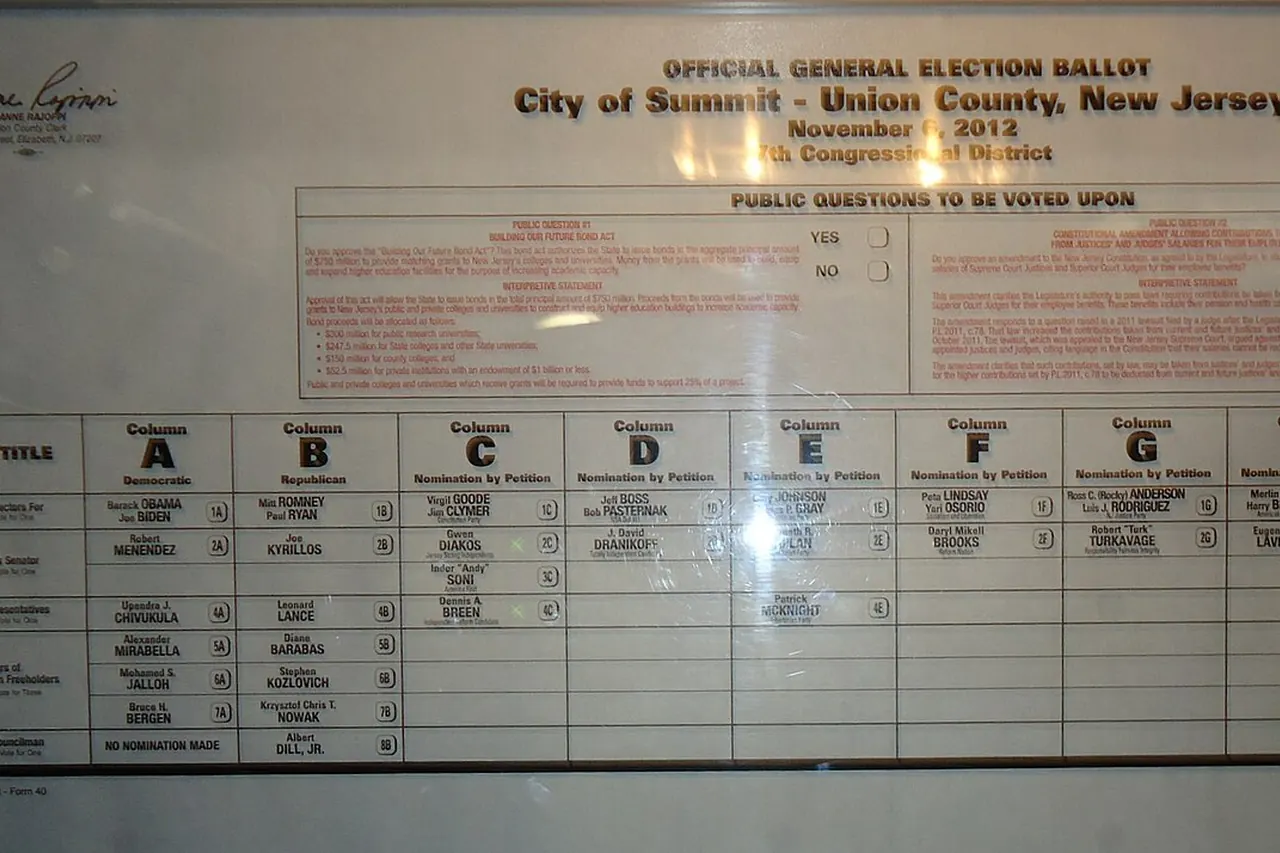
The path from election day to the first legal wager runs through state regulatory dockets, municipal chambers, and financial auditing desks.
The Constitutional Mandate Sets Deadlines for the Commission
Arkansas Amendment 100 did not create casino floors by decree. Instead, the amendment established a strict timeline for the Arkansas Racing Commission to build a regulatory framework from scratch. The text required the commission to adopt casino rules within 120 days of the amendment's effective date. It also fixed a hard operational deadline: the commission had to begin accepting casino applications by June 1, 2019.
A constitutional amendment changes what state agencies are legally obligated to do. In Arkansas, Amendment 100 ordered the commission to create formal procedures for the inspection and investigation of casinos and casino gaming. Rather than leaving the scope of oversight to informal agency discretion, the constitutional text directly instructed regulators to construct an enforcement arm before issuing permits.
Wagering permissions also branch depending on the type of gaming authorized. Under Arkansas Rule 20, authorization to operate a race book or obtain a sports pool license occurred immediately upon adoption of the rules and regulations required by Amendment 100. That provision let established racing entities prepare wagering offerings under the rules, while entirely new brick-and-mortar casino developments entered a longer pipeline.
Cash Upfront, Disclosures, and Selection Criteria Rule 23 CAR § 358-201
Once rules exist, prospective operators face an intake process designed to eliminate incomplete proposals before review begins. Under Arkansas rule CAR § 358-201, the published regulations govern both the application procedures and the specific selection methods and criteria used by the Arkansas Racing Commission to award casino licenses.
The financial threshold to submit paperwork is steep. Arkansas casino rules established by the Arkansas Department of Finance and Administration require an application fee of up to $250,000 for each submission. Regulators do not take promissory notes or credit lines for this initial fee; it must be paid in cash or certified funds.
The paperwork demands extensive organizational transparency:
- The proposed legal name of the casino and its exact physical address.
- The names, home addresses, and dates of birth for every officer and owner involved in the enterprise.
- A sworn zoning compliance statement certifying that the project aligns with municipal land-use laws, if local zoning restrictions exist.
- Payment of the required application fee in full.
Arkansas casino rules state that an application is not complete and will not be considered unless all required information, documentation, and the application fee are timely received by the Arkansas Racing Commission. If an applicant omits a single officer profile or fails to provide certified funds by the filing deadline, regulators reject the application outright.
Local Political Gatekeeping in Pope and Jefferson Counties
Statewide ballot approval does not eliminate local political gatekeeping. In Arkansas, the rules established different hurdles depending on where an applicant intended to build.
For proposed casinos in Pope County and Jefferson County, Arkansas casino rules require direct evidence of local political support. An applicant seeking a license in those jurisdictions must submit backing from county or city officials, specifically including the county judge, the quorum court, and, if applicable, the mayor.
This requirement changes the licensing calculus. Even if an investment group submits a complete technical filing and pays the $250,000 fee, a split with the county quorum court or an opposing county judge can stop a project cold. Local sign-offs act as a distinct administrative filter, separating purely commercial proposals from projects that hold municipal endorsement.
Background Investigations and Internal Controls Approval Before Wagering
The longest stretch of the legalisation process involves suitability checks and internal systems reviews. Under Amendment 100, owners, shareholders, board members, or officers of a casino applicant must submit to a background check before the application is filed.
The investigation does not rely on self-reporting. Arkansas casino rules state that the commission or its designee conducts background checks on applicants. Each person undergoing a background check must provide written consent and pay the applicable processing fees. Under Arkansas rule 006.06.19-003, applications for an initial license—and every third year after that initial license—require a fee to cover the ongoing costs of background investigations and reports. Vetting follows the money and the leadership team throughout the life of the property.
Clearing personal background checks and finishing building construction still does not allow an operator to open the doors. Arkansas casino rules state that no applicant may begin wagering until the licensee's system of internal controls is approved by the Arkansas Racing Commission.
Internal controls govern how cash moves through the building, how chips are counted, how surveillance monitors gaming tables, and how software reports revenue. Amendment 100 tasks the commission with carrying out inspections and investigations of casinos and casino gaming. Until regulatory staff inspect the physical facility and formally approve the operator's internal accounting and surveillance systems, the floor stays dark.
| Sequence Stage | Required Filings and Regulatory Actions | Deciding Body | Administrative Friction Point | Arkansas Legal Authority | |:--- |:--- |:--- |:--- |:--- | | 1. Mandate Enacted | Enact constitutional authority; set rule deadlines | Voters / State Constitution | Agency must draft complete rule set within 120 days | Amendment 100 | | 2. Rules Adopted | Establish selection criteria, fees, sports pool rules | Arkansas Racing Commission | Rules must be finalized before applications open | Rule 23 CAR § 358-201; Rule 20 | | 3. Application Intake | File address, officer details, zoning, up to $250,000 cash fee | Arkansas Racing Commission | Incomplete files rejected without review | 2025 Casino Gaming Rules; Amendment 100 | | 4. Local Sign-Off | Secure official backing in Pope and Jefferson counties | County Judge, Quorum Court, Mayor | Local officials can withhold necessary endorsements | Rule 006.06.19-002 (CGR 2) | | 5. Suitability Check | Submit fingerprints, written consent, investigation fees | Commission or Designee | Disqualifying findings; triennial review cycles | Rule 006.06.19-003; Amendment 100 | | 6. Final Authorization | Inspect physical premises; review internal controls | Arkansas Racing Commission | Wagering prohibited until internal controls are approved | 2025 Casino Gaming New Rules; Amendment 100 |
The legal sequence does not conclude when the votes are certified on election night. It concludes when commission staff finish auditing the applicant's internal controls on site and certify that the physical premises comply with every standard written during that initial 120-day rulemaking window.
No byline, on purpose. Material here is signed by the desk and not by an invented person: if you see a name on a page, it belongs to someone quoted or to the author of a document, never to a persona we made up to look like a staff of ten.
Each number has an owner. Revenue lines, tax shares, licence numbers and dates are copied from the filing, report or operator page that holds them, and the sentence using a figure says where it came from. Where the source has no figure, this site leaves the sentence out instead of estimating one.
Mistakes get fixed in place. Point one out at [email protected]: the wrong line is rewritten on the page you read it on, with the old wording quoted underneath, so the change is visible rather than quietly swallowed.